Crown · February 2027
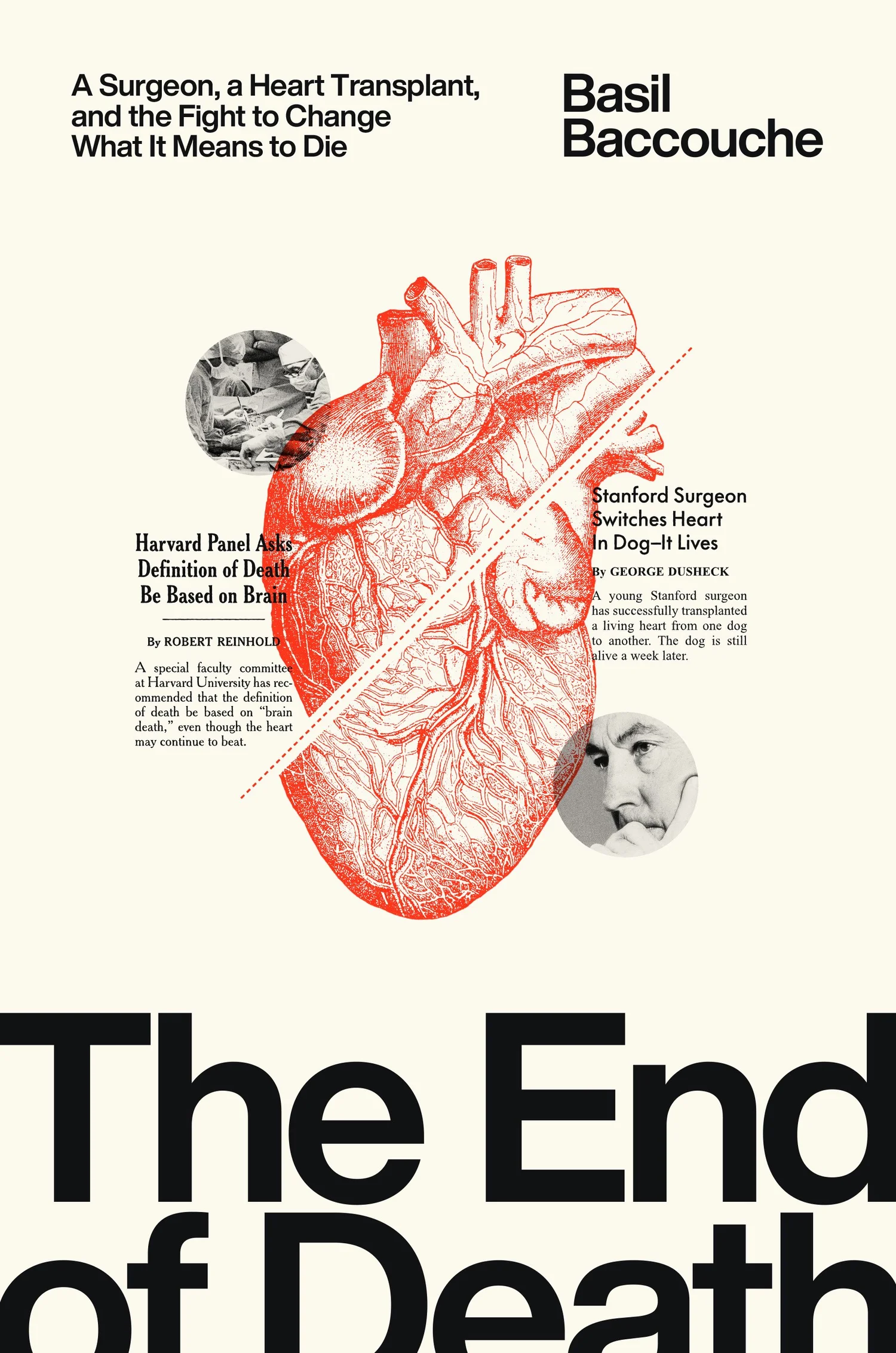
The End of Death
A Surgeon, a Heart Transplant, and the Fight to Change What It Means to Die
Pre-order
“The most dramatic event in medical history has never before been captured as beautifully and captivatingly as this.”
“Magisterial… The End of Death is a soaring addition to the canon of literary medical non-fiction.”
Praise
“The most dramatic event in medical history has never before been captured as beautifully and captivatingly as this. Baccouche’s command of pace, drama, and his portrayal of the people involved is stunning. A brilliant, unforgettable, and well-researched contribution to medical history.” Abraham Verghese author of The Covenant of Water and Cutting for Stone
“Drawing on hundreds of interviews and unprecedented access to archival material, Baccouche’s magisterial portrait of the surgeon Norman Shumway conjures an Ahab for our time, a figure as mysterious, obsessive, and compelling as any in the literary pantheon. Magnificently written and researched, The End of Death is a soaring addition to the canon of literary medical non-fiction.” Siddhartha Mukherjee Pulitzer Prize–winning author of The Emperor of All Maladies: A Biography of Cancer
“This book absolutely gripped me. It’s all at once a page-turner, an extraordinary biography and a vital cultural history. Most of all, it’s beautifully told. I won’t forget this book or its humanity.” Lucy Kalanithi widow of Paul Kalanithi, author of When Breath Becomes Air
“Basil Baccouche is a new star in the constellation of physicians who write. The End of Death tells the gripping story of a tireless doctor (Norman Shumway), a drug (cyclosporine), and a law (recognizing brain death) that combined to make heart transplants one of the miracles of modern medicine.” Alvin Roth winner of the Nobel Prize
“A vivid, meticulously researched chronicle of how a pioneer heart transplant surgeon fought to wrest the gift of life from the grip of death. To do so took audacity—and came at great personal cost. Norman Shumway did it anyway, and changed the way we think about what our bodies are capable of after we die.” Bonnie Tsui author of On Muscle and Why We Swim
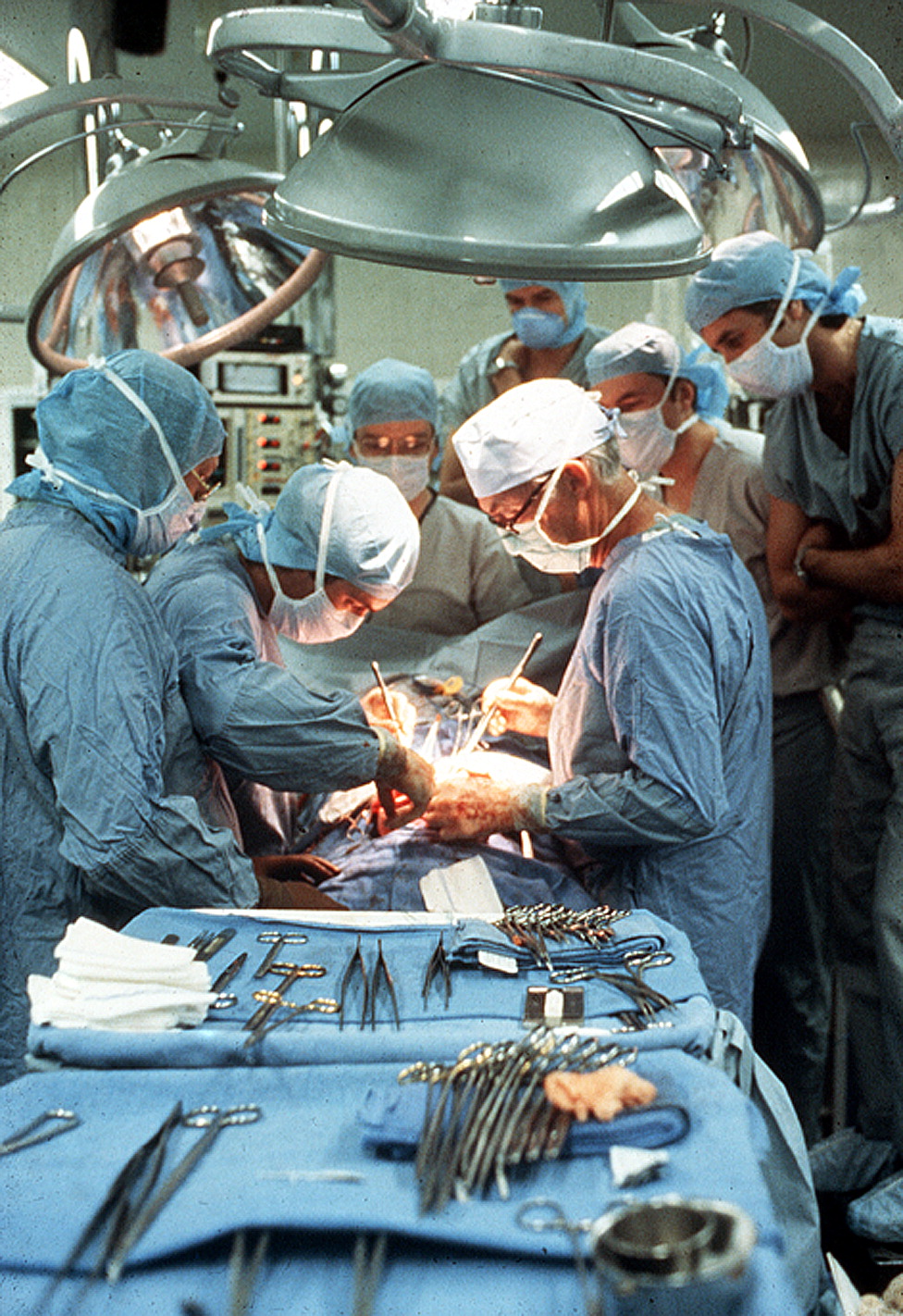
The riveting true story of the visionary doctor who pioneered the heart transplant—a once-controversial operation that caused a media firestorm, saved countless lives, and forced society to change what it means to die.
In January 1968, a surgical team at Stanford University performed one of the most audacious operations in history: the first successful human heart transplant in the United States. At the center was Norman Shumway, a brilliant but reclusive surgeon whose groundbreaking work would not only save lives but change our understanding of death.
Drawing on 261 original interviews, archival research, and vivid storytelling, award-winning medical researcher and doctor Basil Baccouche brings to life the gripping drama of Shumway’s clandestine experiments, the media frenzy surrounding his surgeries, the murder charges that nearly ended his career, and the legislative and legal fight that went on for more than a decade. For millennia, cultures across the world agreed: Death began when the heart stopped beating. Shumway’s transplants forced society, law, and medicine to adopt a new concept—brain death. This transformation was not merely medical but existential, sparking fierce debate in courtrooms, legislatures, and churches while revolutionizing care for the dying.
With narrative flair and impeccable research, Baccouche chronicles the long, tortured history of one of the most spectacular medical advancements in human history, giving new life to those with a literal broken heart—and the zealous determination of one man who would become the father of the heart transplant.
Sweeping in scope yet intimate in detail, The End of Death is at once a fascinating biography, an illuminating cultural history, and a medical thriller.